We use cookies to improve your experience and our business. See our privacy/cookie policy or continue browsing to accept our use of cookies. View our cookie policy.

DIY Guides
These step-by-step DIY installation and preparation guides will help you properly and safely install your new wood-burning stove. Topics include fireplace preparation, chimney lining, maintenance, and more 'how-to' knowledge for DIY stove owners.
-
Do You Need to Insulate a Chimney Flue Liner? (2026 Expert Guide)
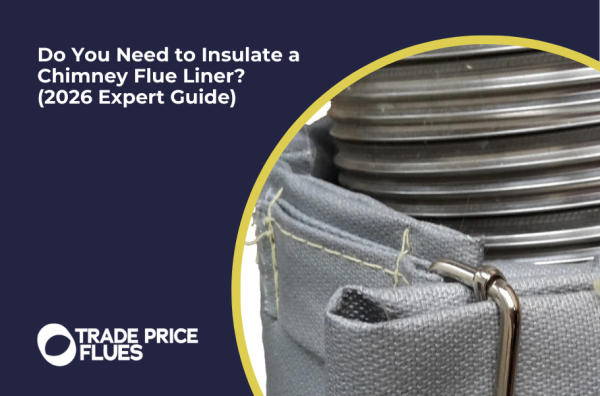 Installing a new stove or relining a chimney is a significant investment in your home’s comfort and safety. But one crucial decision often gets overlooked: whether to insulate the chimney flue liner. Many assume it’s an optional extra, but the truth is, insulation can be the difference between a perfectly performing stove and one plagued […]
 -
How to Fit a Chimney Pot Without a Chimney Liner
 Adding a chimney pot is a great way to increase updraught and prevent excess rain, leaves, animals, and debris from entering your chimney. In certain situations, chimney pots can often be installed without a liner. This guide will walk you through the steps for safely installing a chimney pot on an existing masonry chimney without […]
 -
How to Fit a Chimney Liner to a Pot or Cowl
 If you’ve installed a new chimney flue liner, the next step is to connect it securely at the top to either your existing chimney pot or a rain cowl. Properly joining the liner to the pot or cowl is crucial to prevent leaks and ensure proper draught. In this guide, we’ll go through the steps […]
 -
How to Fit a Chimney Liner
 If you’re planning to install a wood-burning stove, fitting a chimney liner is highly recommended for safety and optimal performance. Chimney liners form a smooth, uninterrupted path for smoke and combustion gases to escape your stove efficiently. Lining your chimney can prevent the build-up of creosote and tar while also protecting the masonry from heat […]
 -
Wood-Burning Stove Air Gaps: A Step-By-Step Guide
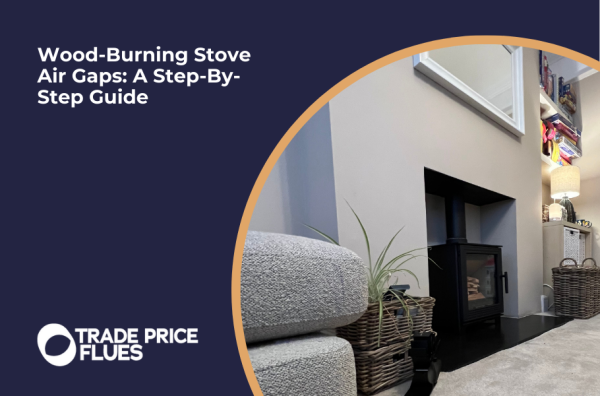 Installing a cosy wood-burning stove can be a satisfying DIY home project. However, leaving sufficient air gaps around your stove is crucial for safety and heating efficiency. Follow this step-by-step guide to learn about proper clearances and achieve a safe and stylish wood-burning stove installation. Why air gaps matter Air gaps, or clearances, around your […]
 -
A Guide to Stove Installation in Lodges, Sheds, and Shepherd’s Huts
 Shepherd’s huts, lodges, and sheds have become increasingly popular as charming retreats or alternative living spaces. These rustic structures provide a cosy and intimate atmosphere, perfect for various uses, such as guest accommodations, home offices, or peaceful getaways.A wood-burning stove is one key element that can significantly enhance the comfort and ambience of these spaces. […]
 -
When Do You Need to Replace a Flue Liner?
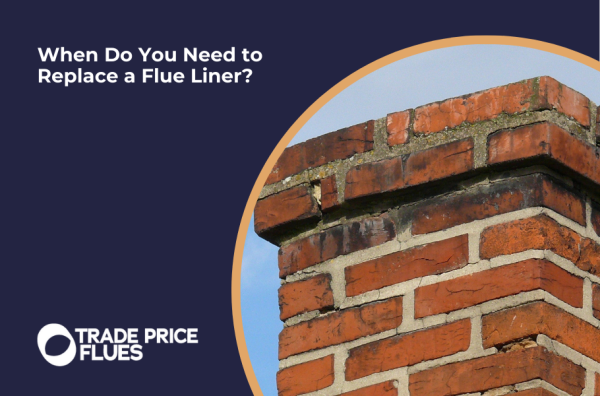 Have you just moved into a new home? Perhaps you’re installing a new stove or fireplace? Whatever the scenario, if you’re doing any work related to your chimney, you may be wondering if you need to replace the flue liner. Keep reading and the Trade Price Flues team will tell you the answer…What types of […]
 -
Do I Need a Flue Liner for an Open Fireplace?
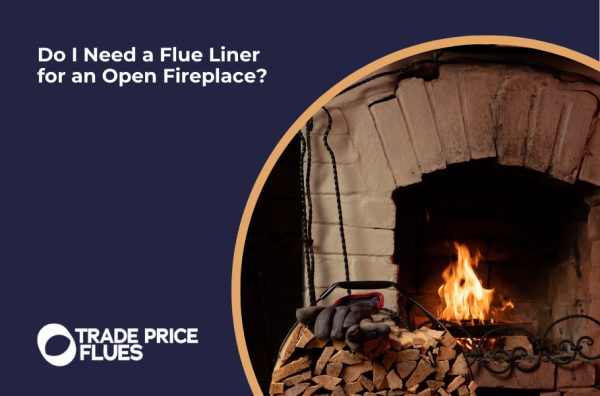 Whether you’re renovating an old open fireplace, or building a new one, you may be wondering whether it’s necessary to use a flue liner with it. Keep reading and the Trade Price Flues team will tell you the answer…Is it a legal requirement to use a flue liner with an open fireplace? The first thing […]
 -
How to Make Your Wood Burning Stove More Efficient
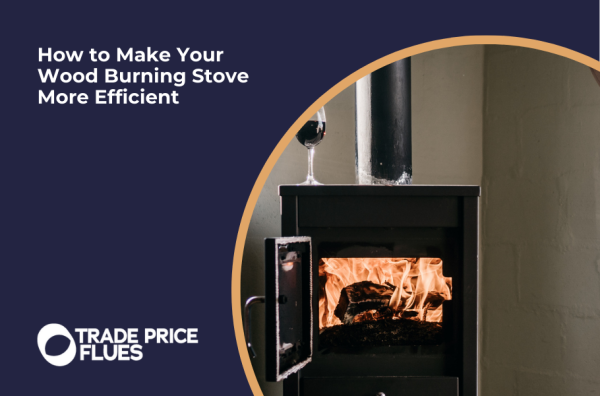 A traditional wood burning stove makes a fantastic addition to the home. But, it’s not quite so fantastic if it starts burning inefficiently. A stove which is burning inefficiently will not only use more fuel, but can be smoky and difficult to light. So, if you want to avoid those issues and get your wood […]
 -
Can You Install a Log Burner in a Garden Office?
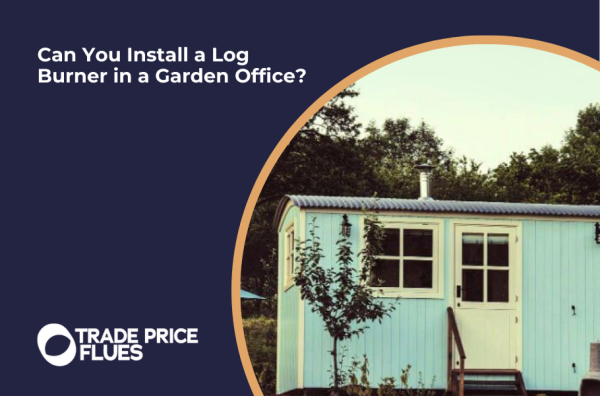 Since 2020 increasing numbers of people have been working from home. In fact, some people have enjoyed it so much, they’ve built dedicated offices in their gardens! Whether you call them garden rooms, garden pods, outdoor rooms or garden studios, it’s important that you keep them heated and comfortable. Which leads many people to ask, [...]